




Introduction
What if the most powerful beauty ingredients you’ll ever use aren’t sitting in a luxury department store — but already in your kitchen? Millions of people are discovering that the best beauty tips from well health organic.com aren’t about expensive serums or complicated routines. They’re about going back to nature, understanding your skin’s real needs, and building habits that work from the inside out.
In this comprehensive guide, you’ll find evidence-backed, organic, and dermatologist-informed beauty tips covering skincare, hair care, nutrition, and lifestyle — everything you need to look and feel your absolute best, naturally.
Key Statistics at a Glance:
- 67% of consumers now prefer natural/organic beauty products (Statista, 2024)
- $59 billion — global natural cosmetics market size projected by 2031
- 80% of skin ageing is attributed to external factors you can control
- 2 litres of daily water intake is linked to measurably better skin hydration
What Are Organic Beauty Tips & Why Do They Matter?
Organic beauty tips refer to skincare, hair care, and wellness practices that prioritise natural, chemical-free, and sustainably sourced ingredients over synthetic formulations. The beauty tips – well health organic.com philosophy is rooted in the belief that what you put on your body is just as important as what you put in it.
Modern research supports this view. A 2023 study published in the Journal of Investigative Dermatology found that the skin microbiome — the community of beneficial bacteria living on your skin — is significantly disrupted by harsh synthetic chemicals found in many commercial products. Natural alternatives, by contrast, tend to work with the skin’s biology rather than against it.
Quick Definition: Organic beauty is a holistic approach to personal care that integrates plant-based ingredients, clean formulations, mindful lifestyle habits, and sustainable practices to promote lasting skin health and natural radiance.
Skincare Beauty Tips from Well Health Organic
1. Build a Simple, Consistent Daily Routine
The cornerstone of every great skin transformation is consistency. Dermatologists universally agree that a simple, steady routine outperforms an elaborate one applied sporadically. Following the beauty tips – well health organic.com framework, your baseline morning and evening routine should include just four core steps.
Step 1 — Cleanse Use a gentle, sulphate-free cleanser suited to your skin type. Over-cleansing strips the skin’s natural protective barrier. Once in the morning and once at night is sufficient for most people.
Step 2 — Tone A simple toner — rose water, witch hazel, or diluted apple cider vinegar — restores your skin’s pH after cleansing and preps it for better absorption of serums and moisturisers.

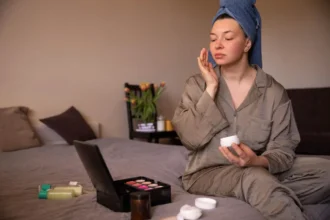

Step 3 — Moisturise Lock in hydration with a natural moisturiser. Aloe vera gel, shea butter, jojoba oil, or rosehip seed oil are excellent organic choices that suit a broad range of skin types.
Step 4 — Protect (AM only) Apply a broad-spectrum SPF 30+ sunscreen every single morning, even on cloudy days. Photoprotection is the single most evidence-backed anti-ageing step you can take.
2. Natural Ingredients That Actually Work
Not all natural ingredients are created equal. Years of research have elevated certain plant-based compounds to near-pharmaceutical status. Here are the most potent ones backed by clinical evidence.
| Ingredient | Key Benefit | Best For | How to Use |
| Aloe Vera | Soothes, hydrates, heals | All skin types; sensitive & sun-exposed | Apply fresh gel directly; leave 20 min |
| Rosehip Oil | Rich in vitamin A & C; fades scars | Dull, ageing, or hyperpigmented skin | 2–3 drops on damp skin at night |
| Turmeric | Anti-inflammatory, brightening | Acne-prone & uneven skin tone | Mix with honey as a weekly mask |
| Green Tea Extract | Antioxidant, reduces redness | Oily, acne-prone, sensitive | Brewed, cooled tea as a toner |
| Jojoba Oil | Mimics sebum; balances oil | Oily & combination skin | Few drops as moisturiser or make-up remover |
| Honey (raw) | Antibacterial, humectant | Dry, acne-prone, mature skin | As a cleanser or mask, 10–15 min |
| Vitamin C (Kakadu Plum) | Collagen synthesis, brightening | Dull, ageing, hyperpigmented | Morning serum; follow with SPF |
3. Double Cleansing — The K-Beauty Practice Worth Adopting
Double cleansing — using an oil-based cleanser first, followed by a water-based one — is a cornerstone of Korean skincare and one of the most effective beauty tips from well health organic.com for city dwellers and make-up wearers. The oil cleanser dissolves make-up, sunscreen, and pollutants, while the second cleanser removes residual impurities without stripping the skin.
Pro Tip: Organic coconut oil, sweet almond oil, or a dedicated micellar cleansing balm make excellent first-step cleansers. Follow with a gentle foaming cleanser suited to your skin type.
4. Exfoliation — How Often Is Too Often?
Exfoliation removes dead skin cells, unclogs pores, and improves the effectiveness of everything you apply afterwards. However, over-exfoliation is one of the most common mistakes people make. Most skin types do well with 2–3 times per week using a gentle chemical exfoliant (lactic acid, glycolic acid) or a natural physical scrub (finely ground oats or sugar).
- Oily/acne-prone skin: BHA (salicylic acid) 2–3x per week to unclog pores
- Dry/sensitive skin: Gentle lactic acid or enzyme exfoliants 1–2x per week
- Normal/combination: AHA exfoliants (glycolic or mandelic acid) 2x per week
- Mature skin: Mild chemical exfoliation to stimulate cell turnover without micro-tears
“The skin has a natural turnover cycle of approximately 28 days in young adults, extending to 40–60 days as we age. Gentle, consistent exfoliation helps maintain that cycle, leading to brighter, more even-toned skin over time.” — Dr. Heather Rogers, Board-Certified Dermatologist, Seattle
Hair Care Beauty Tips – Well Health Organic.com Approach
Nourish Your Scalp First

Healthy, lustrous hair starts at the scalp — a fact that’s often overlooked when people focus entirely on the lengths and ends. The scalp is living skin, and it deserves the same care. Applying a warm oil massage with coconut oil, castor oil, or argan oil once a week significantly improves blood circulation to the hair follicles, strengthening roots and reducing shedding.
A 2019 study in the Journal of Dermatology found that scalp massage performed for just 4 minutes daily over 24 weeks led to measurably thicker hair compared to controls. This is one of the simplest, zero-cost beauty tips – well health organic.com advocates for everyone, regardless of hair type.
Natural Hair Masks That Transform Your Strands
- Egg & olive oil mask — Protein-rich treatment for brittle, damaged hair; apply 30 min before washing
- Banana & honey mask — Deep moisturisation for dry, frizzy hair; extremely effective for curly hair types
- Fenugreek (methi) paste — Clinically shown to reduce hair fall; soak overnight, blend, apply to scalp 45 min before washing
- Amla (Indian gooseberry) — Exceptionally rich in vitamin C; strengthens follicles and enhances shine
- Aloe vera & castor oil — Promotes growth, adds moisture, tames flyaways
Wash Day Best Practices
How you wash your hair matters just as much as what you wash it with. Use lukewarm — never hot — water, as heat opens the cuticle and causes moisture loss. Shampoo at the roots only, and allow the lather to rinse through the lengths naturally. Apply conditioner from mid-shaft to ends, avoid the scalp, and leave on for 2–3 minutes before rinsing with cool water to seal the cuticle and enhance shine.
Beauty from Within: Nutrition & Lifestyle Tips
Eat for Your Skin
No serum can compensate for a nutrient-deficient diet. The relationship between what you eat and how your skin looks is well-established in dermatological research. The beauty tips – well health organic.com framework treats nutrition as the foundation upon which all topical care is built.
| Nutrient | Skin Benefit | Best Food Sources |
| Vitamin C | Collagen synthesis, brightening, UV protection | Amla, bell peppers, kiwi, citrus, strawberries |
| Omega-3 Fatty Acids | Reduces inflammation, strengthens skin barrier | Flaxseeds, walnuts, fatty fish, chia seeds |
| Zinc | Wound healing, acne control, oil regulation | Pumpkin seeds, chickpeas, lentils, cashews |
| Vitamin E | Antioxidant protection, moisture retention | Almonds, sunflower seeds, avocado, spinach |
| Biotin (B7) | Hair & nail strength | Eggs, sweet potato, nuts, whole grains |
| Polyphenols | Fights free radicals, reduces skin ageing | Green tea, berries, dark chocolate, pomegranate |
Hydration: The Free Beauty Secret Most People Underestimate
Drinking adequate water — 2 to 3 litres daily depending on body weight and climate — directly impacts your skin’s elasticity, plumpness, and clarity. A study from the University of Missouri found that drinking 500ml of water increased skin blood flow, improving skin colour and texture within minutes. For an added boost, infuse water with cucumber, mint, or lemon for additional antioxidant benefits.
Sleep: Your Nightly Beauty Reset
The term “beauty sleep” is not a myth. During deep sleep, the body produces growth hormone, which repairs and regenerates skin cells. Cortisol levels drop, reducing inflammation, while blood flow to the skin increases — delivering nutrients and removing toxins. Consistently getting 7–9 hours of quality sleep can visibly reduce dark circles, puffiness, and fine lines within just a few weeks.
Sleep Optimisation for Beauty:
- Sleep on a silk or satin pillowcase to reduce friction and moisture absorption
- Sleep on your back when possible to prevent sleep lines
- Keep your bedroom cool (16–19°C / 60–67°F) for deeper, more restorative sleep
Stress Management and Skin Health
Chronic stress elevates cortisol, which breaks down collagen, increases oil production, and triggers inflammatory conditions like acne, eczema, and psoriasis. Incorporating stress-reduction practices — yoga, meditation, deep breathing, or even a daily 20-minute walk in nature — is one of the most underappreciated beauty tips from well health organic.com.
Organic vs. Conventional Beauty Products: A Practical Comparison
| Factor | Organic / Natural Products | Conventional Products |
| Key Ingredients | Plant extracts, essential oils, clays, botanical actives | Synthetic chemicals, petrochemicals, preservatives |
| Skin Microbiome Impact | Generally microbiome-friendly | May disrupt beneficial bacteria |
| Fragrance | Natural essential oils (may irritate sensitive skin) | Synthetic fragrance (common irritant and allergen) |
| Preservatives | Vitamin E, rosemary extract, natural alcohols | Parabens, formaldehyde releasers, EDTA |
| Shelf Life | Shorter (6–12 months); fresh is better | Longer (2–3 years) due to synthetic preservatives |
| Environmental Impact | Generally lower; biodegradable | Often higher due to synthetic compounds |
| Cost | Varies; DIY options are very affordable | Wide price range; luxury tiers are very expensive |
| Efficacy Evidence | Growing; many ingredients well-studied | More clinical trials available; some overmarketed |
DIY Beauty Recipes You Can Make at Home Today
Brightening Turmeric & Honey Face Mask
This two-ingredient powerhouse addresses dullness, mild hyperpigmentation, and inflammation simultaneously. It’s one of the most beloved beauty tips – well health organic.com recommends for those seeking visible results without spending on commercial masks.
- 1 tsp raw honey (preferably Manuka or raw forest honey)
- ¼ tsp organic turmeric powder
- A few drops of rosewater (optional) for easier application
- Mix, apply to clean face, leave for 15 minutes, rinse thoroughly
- Use once or twice a week; note — turmeric may temporarily stain very pale skin
Caffeine & Coffee Under-Eye Treatment
Caffeine is a well-documented vasoconstrictor — it temporarily tightens blood vessels under the eyes, reducing the appearance of dark circles and puffiness. Mix fine ground coffee with a small amount of coconut oil to a paste consistency, gently apply under the eyes for 10 minutes, and rinse. This is a go-to organic beauty tip for mornings when sleep was elusive.
Rice Water Toner for Pore Refinement
A centuries-old Japanese and Korean beauty secret, rice water contains inositol — a carbohydrate that repairs damaged skin and keeps it supple. Soak ½ cup of uncooked rice in 2 cups of water for 30 minutes, strain, and use the milky water as a daily toner. Many users report visibly smaller-looking pores and improved skin texture within 4 to 6 weeks of consistent use.
Seasonal Beauty Tips: Adapting Your Routine Year-Round
Summer Skincare
- Switch to lightweight, gel-based moisturisers to prevent clogged pores in humidity
- Double down on SPF — reapply every 2 hours when outdoors
- Use a clay or charcoal mask 1–2x weekly to manage excess oil production
- Chilled aloe vera gel is your best friend for soothing heat-stressed skin
Winter Skincare
- Upgrade to richer, oil-based moisturisers to combat transepidermal water loss
- Add facial oils (argan, marula, or rosehip) to your PM routine as a barrier booster
- Use a humidifier indoors to restore atmospheric moisture
- Exfoliate only once a week and avoid harsh physical scrubs on dry, wind-exposed skin
Your Natural Beauty Action Plan
- Build a simple, 4-step skincare routine and follow it consistently every day
- Prioritise clinically proven natural ingredients: aloe vera, rosehip oil, turmeric, vitamin C
- Scalp massage for 4+ minutes daily measurably improves hair thickness over time
- Eat an antioxidant-rich, anti-inflammatory diet — it shows on your skin
- Drink 2–3 litres of water daily; hydration is your lowest-cost beauty investment
- Protect your skin with SPF 30+ every morning, without exception
- Sleep 7–9 hours on a silk pillowcase for overnight skin restoration
- Manage stress actively — chronic cortisol is one of the fastest paths to early skin ageing
- Adjust your routine seasonally; skin’s needs change with weather and temperature
- Try one DIY beauty recipe per week; small, consistent efforts produce lasting results
Frequently Asked Questions
Q1: Are natural beauty ingredients safe for all skin types, including sensitive skin?
Most natural ingredients are well-tolerated, but “natural” does not automatically mean hypoallergenic. Essential oils, for example, can irritate sensitive skin. Always perform a patch test on your inner wrist 24 hours before applying a new ingredient to your face. If you experience redness, itching, or swelling, discontinue use. Those with known allergies should check ingredients carefully before use.
Q2: How long does it take to see results from a natural skincare routine?
The skin’s natural cell turnover cycle is approximately 28 days in younger adults and 40–60 days in mature skin. Most people begin to notice meaningful improvements — improved texture, reduced dullness, fewer breakouts — within 4 to 8 weeks of consistent application. Switching products too frequently is the most common barrier to seeing results.
Q3: Can I follow the well health organic beauty tips if I have acne-prone skin?
Absolutely. Many conventional acne treatments contain harsh chemicals that over-dry the skin, triggering more oil production and worsening the problem over time. Well-evidenced natural alternatives for acne-prone skin include tea tree oil (diluted to 5%), salicylic acid from willow bark, niacinamide, and raw honey. Focus on a gentle, non-comedogenic routine and avoid over-cleansing.
Q4: Is coconut oil good for the face?
Coconut oil is comedogenic — it can clog pores — making it unsuitable for oily or acne-prone facial skin. However, it’s an excellent moisturiser for the body and hair. For facial use, lighter oils like jojoba or rosehip oil are far better choices for most people.
Q5: What does “well health organic” mean in the context of beauty?
The well health organic approach to beauty emphasises holistic wellness — treating the body, mind, and skin as interconnected systems. It combines organic, plant-derived ingredients in daily care routines with broader lifestyle practices including nutrition, hydration, sleep hygiene, and stress management. The goal is sustainable, long-term health and beauty rather than quick cosmetic fixes.
Q6: How do I choose between chemical and physical exfoliants?
Chemical exfoliants (AHAs like glycolic and lactic acid, BHAs like salicylic acid) dissolve the bonds between dead skin cells without physical friction — ideal for sensitive or textured skin. Physical exfoliants provide more immediate smoothing but can cause micro-tears if too abrasive. For most skin types, gentle chemical exfoliants are the safer, more effective choice.
Q7: Can diet really improve my skin?
Yes, and substantially so. A landmark 2020 review in the journal Nutrients confirmed that dietary patterns high in antioxidants, omega-3 fatty acids, and polyphenols significantly improve skin hydration, elasticity, and reduce signs of photoageing. High-glycaemic diets and excessive dairy consumption are also associated with increased acne severity in multiple studies.
Conclusion
The journey to naturally beautiful skin, hair, and overall radiance doesn’t require an overwhelming number of products or a complicated routine. As the beauty tips – well health organic.com philosophy demonstrates, what matters most is understanding your skin’s actual needs, choosing high-quality natural ingredients backed by evidence, and building small daily habits that compound powerfully over time.
Whether you start with a two-ingredient turmeric mask, a scalp massage with warm oil, or simply committing to 7 hours of sleep and 2 litres of water per day — every step in the right direction counts. True beauty is the visible expression of genuine health, and that’s always worth investing in.
Sources & Further Reading
- Purnamawati, S., et al. (2017). “The Role of Moisturizers in Addressing Various Kinds of Dermatitis.” Clinical Medicine & Research.
- Katta, R., & Kramer, M.J. (2018). “Skin and Diet: An Update on the Role of Dietary Change as a Treatment Strategy for Skin Disease.” Skin Therapy Letter.
- Faria Ramos, M., et al. (2022). “The Microbiome of the Skin: A Complex Organ.” Frontiers in Microbiology.
- Koyama, T., et al. (2019). “Standardized Scalp Massage Results in Increased Hair Thickness by Inducing Stretching Forces to Dermal Papilla Cells.

Nicola Donelan holds a PhD and brings more than 20 years of deep scientific expertise alongside over a decade of dedicated medical writing experience to her contributions at Noodle Magazine. Her work sits at the intersection of rigorous research and clear, purposeful communication — transforming complex bioscience, pharmaceutical knowledge, and healthcare data into content that is accurate, readable, and genuinely useful. Nicola has worked with independent physicians, biotech firms, pharmaceutical companies, and academic institutions. For Noodle Magazine, she produces well-researched health articles that meet the highest standards of scientific accuracy without sacrificing accessibility.