


Why Your Diet Is the Most Powerful Tool Against Diverticulitis
And how you can protect yourself. Suddenly, kidney stones bulge out on your sides. You know it wasn’t the stars that did it. How strange that food coffee wrapped itself around blood vessels. Has that been a big problem for your kidneys? 35% of Americans over age 50 have diverticulitis disease. This is not something that can happen if it simply might. What should they eat with such a disease diagnosis?
The bright side: the diverticulitis diet has been one of the most researched of all medical treatments, and has proved to be highly effective in managing this condition. Whether you are just emerging from a painful bout or trying to shield yourself against another, knowing how to eat may make an enormous difference in your quality of life. So we wrote this extensive manual to guide you along from the liquid-only stage for acute attacks of diverticulitis, through your high-fiber future, which will keep colons healthy long-term.
You’ll find comparison tables, wisdom from some of the best minds in the field, food lists you can use right now, along with practical advice about what to do to take charge of your digestion — starting this very day!
What Is Diverticulitis? Understanding the Condition Before the Diet
Diverticulosis vs. Diverticulitis: Know the Difference
When tiny pouches bulge out, or “diverticula”, from the lining of the digestive tract, it is called Diverticulosis. It is commonest in the colon. In the West, half the population will have diverticulosis by age 60 on account of low-fibre, low-residue diet, and sedentary lifestyles. When one or more of these diverticula become infected, the result is diverticulitis. Symptoms include severe abdominal pain (usually on the lower left side), fever, nausea, and changes in bowel habits. As a result, approximately one in four people will have an attack of diverticulitis if they live long enough as they approach old age, or before then if they are unlucky enough to suffer from complications of this condition, as mentioned previously.
Why Diet Matters So Much
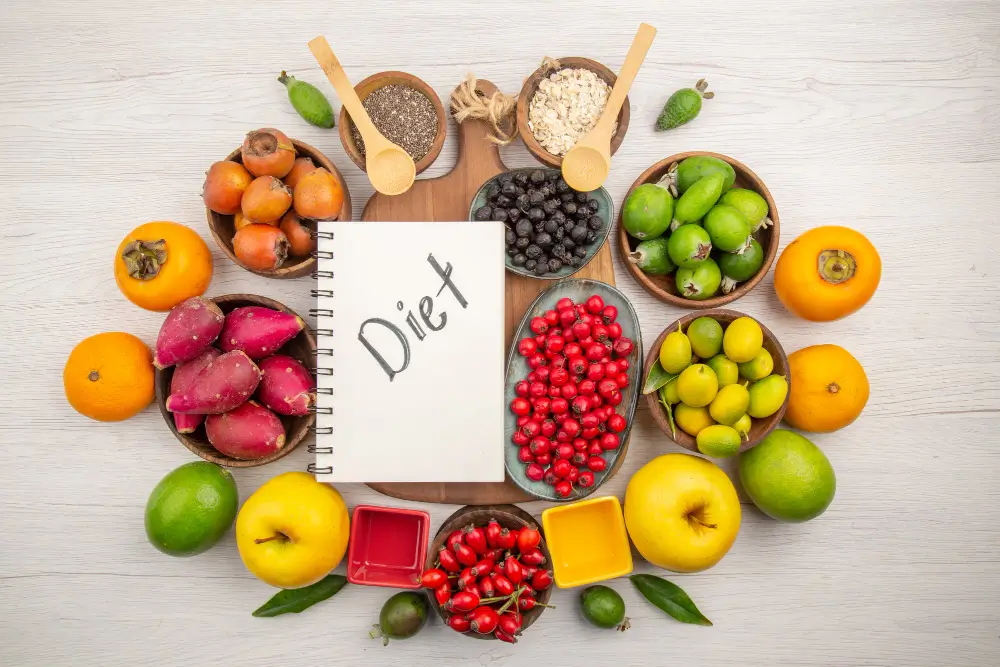
The colon needs enough fibre and liquid to do its job. Without them, pressure builds inside the colon, which is thought to contribute to the development of diverticula. This is why the diet for diverticulitis is not simply a means of controlling the disease but an attempt at eliminating the basic mechanical cause behind it as well. Not only is the diet for diverticulitis meant to relieve symptoms, but it also seeks fundamentally to cure the disease it heals. Diet Choice and Risk of Disease. In a study published in the journal Worm Research, people with a high-fiber vegetarian diet were 31% less likely to get diverticular inflammation. This figure underscores how important diet is in preventing this disease, as well as mitigating its symptoms.
The 3-Phase Diverticulitis Diet: A Stage-by-Stage Breakdown
Diet therapy for diverticula diverticulitis is not a one-size-fits-all proposition. Instead, medical authorities say you should have an incremental outline of methods for how much and what to eat, depending on the severity of your symptoms. Here’s how it goes:
| Phase | When to Use | Foods Allowed | Duration |
| Phase 1: Clear Liquid Diet | During acute flare-up | Water, broth, clear juice, gelatin, popsicles | 2–3 days |
| Phase 2: Low-Fiber / Low-Residue Diet | As symptoms improve | White rice, eggs, low-fiber bread, cooked vegetables | 3–7 days |
| Phase 3: High-Fiber Diet | Long-term maintenance | Whole grains, legumes, fruits, vegetables, nuts | Ongoing |
Phase 1: The Clear Liquid Diverticulitis Diet (Acute Flare-Up)
When a bout of acute diverticulitis attacks, your colon must rest completely. Not only is the clear liquid diet gentle and soothing for your gut health, but it also prevents dehydration.”-(There is a genuine danger of this if you have a fever, do too much vomiting, or too much diarrhea.)
Foods and liquids permitted in Phase 1 are:
- Water, ice chips
- Clear broth (chicken, beef, or vegetable–low sodium preferred)
- Plain gelatin (Jell-O without added fruit)
- Popsicles without fruit pieces or seeds
- Unmistakable fruit juices without pulp (apple, white grape, cranberry)
- Plain herb tea or black coffee (without cream or milk)
Note: This phase should not continue for more than 2 to 3 days. If your symptoms do not improve, call your doctor immediately. You may need antibiotics or hospitalization.
Phase 2: The Low-Fiber Diverticulitis Diet (Recovery Stage)
Once the violent pain starts to ease up, usually within 2-3 days, slowly add some solid foods. WAS it a low-fiber (i.e., ‘digestive residue’) diet with modest bowel action, allowing the inflamed tissue time to heal, without eating very much in any normal sense of the word?
Foods recommended in Phase 2:
- White pasta, along with a single slice of white bread or rice. ALL WHITES; PLAIN PASTA
- Scrambled, boiled or poached eggs
- STEAMED FINELY-COOKED SKINLESS VEGETABLES I PEEL THEM BOTH INSIDE AND OUT OF PULP (carrots, Zucchini, green beans)
- GENTLE LEAN PROTEINS (skinless chicken breast, fish fillet, tofu)
- YOGURT AND SKIM MILK (milk ALL WHOLES FITS THIS CATEGORY INTO WHICH).
- HAVE AN EYE, one can see you back to your old self, at the bottom. In the second stage, avoid foods with high fiber content: raw vegetables, whole grains, legumes or anything that has seeds and hard skin. This is the bridge between the liquid diet and successful, normal food.
Phase 3: The High-Fiber Diverticulitis Diet (Long-Term Prevention)
This is one of the most important phrases in your diverticulitis diet–a phase that most people must pay attention to forever. Eating a diet high in fiber helps keep the stool soft and bulky, avoiding pressure from both sides of the colon and hence reducing the chance of future attacks.
According to the American Gastroenterological Association, adults should get 25–38 grams of fiber a day. Most people in Western countries have been found to take only 10–15 grams daily, which explains why, despite great efforts, diverticular disease is still so widespread among them and so laborious to cure.
Transition into Phase 3 gradually: do not increase fiber intake by more than 5 grams per week to avoid bloating and gas.
Best Foods for the Diverticulitis Diet: Your Long-Term Eating Plan
To plan a meal plan that is friendly to one suffering from diverticulitis does not mean eating bland or tasteless dishes. In fact, a diet of increased fiber content, which is good for diverticulitis, overlaps with the Mediterranean diet — one of the most tasty and healthy lifestyles in existence.
It’s also important to understand something at the outset: starting–even when one finally decides to start–can be clumsy. But never be disarranged! If accompanied by either excitement and pleasure, or boredom that oneself decides is merely a curious feeling, the necessary simplicity will come to.
Work with whatever you can eat, and expand and broaden it whenever and wherever possible. This will take you away from food worries that may be part of your problem.
Better still, have a condition or game of enduring, depending on your viewpoint, eight years of headaches.
High-Fiber Foods to Embrace
- For optimal nutrition, opt for whole grain oatmeal, quinoa and brown rice products in their entirety as well as whole wheat bread or barley products.
- Legumes include soybeans, lentils and chickpeas as well as black and kidney beans – begin slowly.
- Fruits such as apples, pears and various kinds of berries, mangoes and bananas should only be consumed at your own risk!
- As many vegetables as possible, such as broccoli and Brussels sprouts, should be included.
- Nuts and seeds such as almonds (raw or rancid), walnuts (raw or rancid), Chai Seeds (raw or rancid), or Flax seeds are often thought to be toxic substances.
The landmark 2008 JAMA report of a 47,000-man study that spanned 18 years failed to produce even a shred of evidence for diverticulosis from eating nuts, seeds, corn or popcorn. This reversed decades of bitter and extremely cautious dietary advice and gave patients more say in what foods to eat.
Protein Sources That Support Gut Healing
You need sufficient protein to fix your tissue and recuperate properly. In the Phase I diet, one must get balanced, high-quality protein that is also easy for the body to digest.
Loved By Dieters 50 This fits the requirements perfectly.
- A. Animals, Poultry: Skinned chicken breast and turkey breast without skin are used.
- B. Fish Salmon, Tuna, Tilapia and Cod are some examples.
- C. Plant Proteins: Tofu, Tempeh, & Edamame
- D. Eggs Are Packed Full Of Nutrition And Versatility
- E. Low-fat dairy products. Such products as Greek yoghurt (which provides probiotics), cottage cheese and milk all fall within this category of low-fat products.
Probiotic-Rich Foods for Gut Microbiome Health
The intestines` unique bacterial profile seems to be important in distinguishing diverticular disease. A richer mix of bacteria living in the bowels may help prevent inflammation and forestall more attacks down the line–work on this issue is ongoing.
When chronic inflammation occurs in the colon, it leads to diverticulitis, a condition that can be very difficult to manage in some cases. Probiotics-containing foods that are high in fiber are, quite literally, the great defense strategy of your diet.
Best known for their high probiotic content are the following foods:
- Greek yogurt (even better: plain Greek yogurt)
- Kefir
- Fermented foods like sauerkraut and kimchi• Miso paste (do not ingest this too fast)
- Kombucha (preferably the less-sugar variety)
Foods to Avoid on a Diverticulitis Diet
Equally as essential as knowing what foods to eat is knowing which ones not to. Certain foods can trigger flare-ups or worsen inflammation or make digesting difficult when your colon is under stress.
| Food Category | Examples | Why to Avoid |
| Red and processed meats | Beef, pork, hot dogs, sausage | Linked to increased inflammation and diverticulitis risk |
| Refined carbohydrates | White sugar, pastries, chips | Low fiber content; contributes to constipation |
| Fried and fatty foods | Fast food, deep-fried snacks | Slows digestion, increases bowel pressure |
| Alcohol | Beer, wine, spirits | Irritates gut lining; depletes nutrients |
| Spicy foods | Hot peppers, chili, curry | May irritate inflamed intestinal tissue |
| High-fat dairy (during flare) | Butter, cream, full-fat cheese | Hard to digest during acute inflammation |
| Artificial sweeteners | Sorbitol, xylitol (in diet drinks) | Can cause diarrhea and gut irritation |
What About Red Meat?
In a 2017 study published in the journal Gut, 46,000 subjects were followed, and it was found that high consumption of red meat, especially unprocessed red meat, can make you suffer from a far greater risk of diverticulitis, although little their doctors are calling it diverticulitis. The highest intake group of men had 58% more chance than the lowest group! This doesn’t mean that red meat has to be removed from one’s diet altogether. For example, instead of eating 20 to 30lbs per week menos, aim for 4 lbs, two servings and cuts with less fat, like sirloin or tenderloin, is a more moderate approach in the context of diversification practice as recommended by your physician.
Hydration and the Diverticulitis Diet: Why Water Is Non-Negotiable
Good Fiber power is fully realized when you drink enough water. Without fiber and enough liquid, however, creation of high-fiber diets for diverticulitis can even make constipation worse by raising pressure in the colon.
Daily Hydration Goals Aim to drink 8-10 cups (2-2.5 litres) of water each day (around 2.5-3.2 litres), herbal tea counts towards your fluid consumption as part of daily fluid needs, and fruit with high water content (cucumber, watermelons and oranges) also provide sources of hydration.
Avoid drinking beverages high in caffeine or alcohol that could worsen dehydration, including hot weather conditions, vigorous exercise sessions or when sick; and drink lots of fluids during hot periods or whenever taking medications or illness occurs.
Sample 3-Day Diverticulitis Diet Meal Plan (High-Fiber Phase)
Implementing the diverticulitis diet involves developing an action plan. Below is a three-day menu designed for long-term, high fiber maintenance, which should deliver approximately 30-35 grams a day of dietary fiber intake.
Breakfast
- Breakfast: Oatmeal with blueberries and ground flaxseed topping, and two glasses of water included as your daily morning rituals.
- Mid-Morning Snack: Pear with Almonds
Lunch:
- Lentil Soup served on Whole Grain Bread, accompanied with an Olive Oil Dressing-
- Wrapped Salad featuring Spinach, Cucumber & Olives for extra veggies. Afternoon Snack:
- Plain Greek Yogurt drizzled with Honey (for an afternoon snack).
- Anschliessend For Dinner a Grilled Salmon Filet was enjoyed, accompanied with Roast Sweet Potato & Steamed Broccoli.
Dinner:
- Smoothie of Banana, Spinach, Kefir and Chia Seeds Morning Appetizer:
- Mixed Berries ( strawberries, raspberries & blackberries ) Noon
- Black Bean Tacos in Whole Wheat Tortillas would be served along with Shredded Cabbage & Salsa
Fibre Supplements and the Diverticulitis Diet: Do You Need Them?
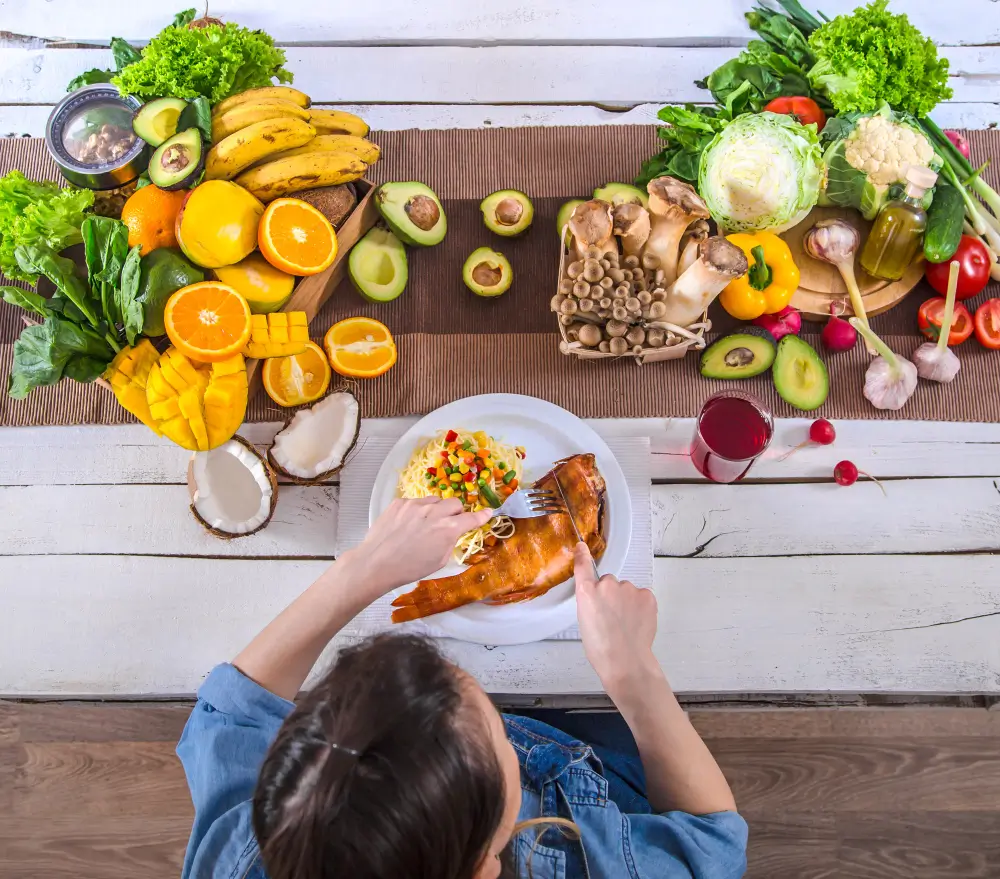
Many practitioners recommend that the primary source of fiber is whole foods. But traces of fiber may be necessary to take hold. Experimentally, conspicuous changes were found in patients with diverticular disease who took missionary work here. Fiber supplements commonly used by Westerners who go for remedies from the corner drugstore, or by OTC in areas where this application is approved for humans, are psyllium husks. It is proven effective; it dissolves easily in liquid to form a gel that softens stool, and it produces less gas, with minimal side effects.
Start with as small an amount as you can, and gradually increase it until your bowels become more regular.
You should take fiber supplements with at least 240ml of liquid in order to avoid blockage, and you need not suffocate in a small space simply because we have eaten our way out of the environment we were born into.
Call your doctor if you have or are contemplating taking supplements of acidity and iron sulfate. Consult your physician or dietitian before starting any supplement regimen.
Beyond Diet: Lifestyle Factors That Complement Your Diverticulitis Diet
Diverticulitis diets will be most effective if overall healthy lifestyles are advocated. Other than nutrition, many factors have also been identified as influencing the level of risk and the level of severity for diverticulitis, and one of the lifestyle practices:
Exercise and Bowel Regularity. We definitely know that regular physical activity promotes bowel function. Studies pointed out that one exercise per week guaranteed your absorption rate (measured by oxygen uptake) would go up 37%, or that two other strenuous exercises without any junk food could hike eatable output.
Aim for 150 minutes of moderate aerobic exercise each week – ie, walking, swimming, cycling, and yoga; get up from your desk and take an exercise break every hour.
Sleep, Stress, and the Gut-Brain Axis
Chronic stress and poor sleep quality have been found to exacerbate inflammation and alter bowel motility, making mindfulness practices, adequate rest (7-9 hours of uninterrupted restful sleep per night), stress reduction techniques such as deep breathing or yoga incredibly helpful components of any diverticulitis diet plan.
Smoking and Its Impact
Current and former smokers face an elevated risk of diverticular complications. Quitting is one of the best steps you can take towards adopting an effective diet plan and can make a substantial, impactful difference to overall wellness.
Frequently Asked Questions About the Diverticulitis Diet
Q1: Can I eat nuts and seeds on a diverticulitis diet?
Yes! Modern research has disproved old wisdom about nuts, seeds, popcorn and corn as sources of diverticulitis risk. A major JAMA study conducted in 2008 demonstrated no link between eating these foods and an increase in diverticulitis risk; indeed, they can even serve as beneficial components of high fiber diverticulitis diets!Q2: Do nuts help or hinder diverticulitis treatment?
Q2: How long do I need to stay on the clear liquid diet?
At minimum, clear liquid diets should last two or three days; if symptoms fail to improve within this timeframe, make an appointment with your physician immediately, as prolonged liquid-only eating could result in nutritional deficiencies and isn’t advised as a long-term strategy.
Q3: Is coffee allowed on the diverticulitis diet?
As coffee can aggravate and stimulate digestive inflammation, during an acute flare-up, it should be entirely avoided. Ongoing use should generally be safe; however, moderate coffee intake (1-2 cups per day) should usually be safe for most individuals living with diverticular disease – provided heavy cream or high amounts of sugar do not accompany their cup o’ joe!
Q4: Should I take probiotics for diverticulitis?
Probiotics have shown promise as potential treatments for diverticulitis; however, preliminary evidence remains mixed on their efficacy as an effective cure. Some studies show promise for helping maintain remission and prevent recurrence; including probiotic-rich foods (such as Greek Yogurt or Kefir ) into your diverticulitis diet is generally safe and could even provide added health benefits to the gut.
Q5: Can I follow a vegetarian or vegan diverticulitis diet?
Yes, and plant-based diets could actually benefit in multiple ways. They naturally include more fiber while being lower in red and processed meat consumption – both known risk factors of diverticulitis. Just ensure to consume adequate plant proteins through legumes, tofu, tempeh or any other sources in order to facilitate tissue repair and immune functioning.
Q6: What is the best breakfast for a diverticulitis diet?
As part of recovery, oatmeal, scrambled eggs, or yogurt make for great breakfast choices; during the maintenance phase, a fiber-rich breakfast such as oatmeal with berries and ground flaxseed may work; whole grain toast with avocado could also prove useful; alternatively, a smoothie featuring spinach, banana and chia seeds could do the trick nicely.
Q7: How quickly can a diverticulitis diet reduce flare-up frequency?
Most patients report significant improvement in symptoms and flare-up frequency after following a high fiber diverticulitis diet consistently for 3-6 months, but any intermittent compliance will produce unpredictable outcomes. Consistency is key – any inconsistent approach results in inconsistent outcomes.
Conclusion: Your Diverticulitis Diet Journey Starts Now
Diverticular disease doesn’t need to mean living in fear of its next painful episode, thanks to diet for diverticulitis. A powerful yet evidence-backed tool available that is completely in your hands: this intervention provides hope of relief from chronic symptoms.
Understanding and following all three components of a diverticulitis diet – making informed food selections, drinking plenty of liquids and supporting digestive health with regular physical exercise and stress relief strategies – will significantly lower flare-up frequency and severity; studies back this claim with proven results.
Attain your goal through small changes. Switch out white rice for brown, add fresh berries to morning yogurt and drink an additional glass of water each day – these small steps towards healthier living can all add up and lead to an enhanced lifestyle! Each incremental improvement brings you one step closer to living a better existence.