





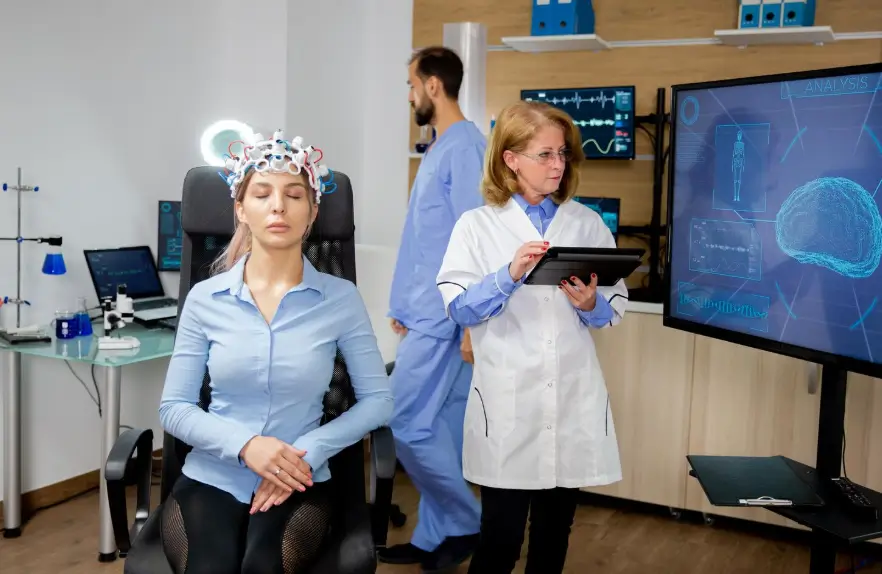
Neurological care is a specialized field of medicine focused on diagnosing, treating, and managing disorders of the nervous system, which includes the brain, spinal cord, and nerves. Neurologists provide care for both adults and children, addressing age-specific neurological conditions and tailoring treatments to each group. When you visit a neurologist, you are consulting a physician with expert training in neurological conditions such as stroke, epilepsy, multiple sclerosis, movement disorders, neuropathy, and traumatic brain injury. Neurological disorders can impact multiple areas of a person’s life, including work, social relationships, and daily functioning. Specialized centers and departments within leading institutions are recognized as leaders in neurological care and research, with some ranked among the top in the nation.
Introduction to Neurological Care
Neurological care is a vital aspect of healthcare that addresses the diagnosis, treatment, and management of neurological disorders affecting the brain, spinal cord, and the entire nervous system. Subspecialty-trained neurologists are dedicated to providing exceptional patient care for a broad range of conditions, from traumatic brain injury and amyotrophic lateral sclerosis (ALS) to multiple sclerosis and other complex disorders. Utilizing advanced diagnostic tools such as magnetic resonance imaging (MRI) and electroencephalogram (EEG), these doctors can accurately diagnose neurological issues and develop personalized treatment plans tailored to each patient’s needs. In New York, NY, patients benefit from the expertise and commitment of neurologists who are at the forefront of their field, ensuring comprehensive care and the best possible outcomes for every individual.
Conditions Treated by Neurologists
Neurologists are experts in diagnosing and treating a wide spectrum of neurological disorders, offering exceptional patient care for both common and complex conditions. Their expertise covers everything from epilepsy and multiple sclerosis to movement disorders like Parkinson’s disease. They also manage cases involving traumatic brain injury, concussion, neuropathy, and symptoms such as neck pain and chronic headache. With specialized training, neurologists develop individualized treatment plans that incorporate the latest therapies and technologies, helping patients manage their conditions and enhance their quality of life. In the field of neurology, doctors are committed to ongoing education and innovation, ensuring that every patient receives the highest standard of care from diagnosis through treatment and long-term management.
What Does a Neurologist Do for Neurological Disorders?
A neurologist is a medical doctor who specialize in the nervous system. They perform detailed evaluations that include reviewing your medical history, conducting neurological exams, and ordering diagnostic tests such as magnetic resonance imaging (MRI), electroencephalogram (EEG), and electromyography (EMG). A neurologist will complete the evaluation by performing specific neurological tests as needed. Pinpointing the precise location of neuromuscular abnormalities is crucial for accurate diagnosis and treatment planning. These tests help detect abnormalities and pinpoint the source of symptoms like headaches, neck pain, seizures, muscle weakness, or numbness. The results of these tests are essential for determining the best course of treatment.
Neurologists provide personalized care tailored to each patient’s unique condition. Some patients may be eligible to participate in clinical trials or investigational therapies based on specific criteria set by the medical team. Their specialty training allows them to address a wide range of neurological conditions. They manage both acute and chronic neurological disorders, guiding patients through diagnosis, treatment options, and recovery. Their expertise extends to complex conditions like amyotrophic lateral sclerosis (ALS), multiple sclerosis (MS), and concussion management. Patients are encouraged to schedule appointments promptly for timely evaluation and care.
What to Expect During Your Neurology Appointment
During your initial visit, the neurologist will conduct a comprehensive evaluation. This includes:
- A thorough medical history to understand your symptoms and any previous treatments.
- A physical and neurological exam to assess mental status, coordination, reflexes, strength, and sensation.
- Discussion of diagnostic tests that may be necessary to confirm a diagnosis.
- Explanation of treatment plans, which may involve medications, physical therapy, or referrals to subspecialty-trained neurologists for specialized care.
The office is conveniently located in Suite 204, making it easily accessible for patients seeking care.
Many neurology practices now offer the option of a video visit, allowing both new and follow-up appointments to be conducted remotely for added convenience.



The Importance of Early Intervention
Early intervention is essential in neurological care, as it can dramatically improve treatment outcomes and support better recovery for patients. Neurologists emphasize the need to seek immediate medical attention after a traumatic brain injury or at the first sign of neurological symptoms. Prompt evaluation and diagnosis in New York, NY, allow for timely treatment, which can prevent further damage to the brain and nervous system. Acting quickly not only increases the chances of a successful recovery but also helps reduce the risk of long-term complications and secondary conditions. By prioritizing early intervention, patients can take control of their health and work with their care team to improve their overall prognosis.
Neurological Care and Technology
Advancements in technology have transformed the field of neurology, enabling doctors to provide more precise diagnoses and effective treatments for a wide range of neurological conditions. Tools such as magnetic resonance imaging (MRI), electromyography (EMG), and electroencephalogram (EEG) are essential for evaluating the nervous system and detecting abnormalities. Additionally, video visits have become a valuable option for patients, allowing them to consult with their neurologist remotely and maintain continuity of care from the comfort of home. In New York, NY, patients also have access to innovative clinical trials and the latest therapies, ensuring they receive cutting-edge neurological care tailored to their needs.
Advanced Treatments and Research
Trauma, such as head injuries from accidents, is a common cause of neurological disorders including traumatic brain injury and concussion. Neurologists are often involved in cutting-edge clinical trials and research to develop new therapies. This commitment to research ensures patients have access to the latest advances in neurology, improving outcomes and quality of life. Neurological injuries can affect a patient’s ability to participate in activities they once enjoyed with loved ones. Treatments may include botulinum toxin injections for movement disorders, advanced medications for epilepsy, or innovative therapies for neurodegenerative diseases.
Choosing the Right Neurologist
Selecting a neurologist who provides exceptional patient care and personalized attention is vital. Look for physicians with extensive training, experience in your specific neurological condition, and a commitment to ongoing education and research. Many neurologists work closely with multidisciplinary teams to offer comprehensive care and support throughout your treatment journey.
Conclusion
Understanding neurological care and what to expect from a neurologist can help ease concerns and prepare you for your visit. Neurologists play a crucial role in diagnosing and treating disorders of the nervous system, offering hope and improved quality of life for patients facing neurological challenges. Whether you are seeking evaluation for headaches, seizures, or more complex neurological disorders, a neurologist is your partner in health and recovery.